

Perimenopause Nutrition: Key Changes to Make
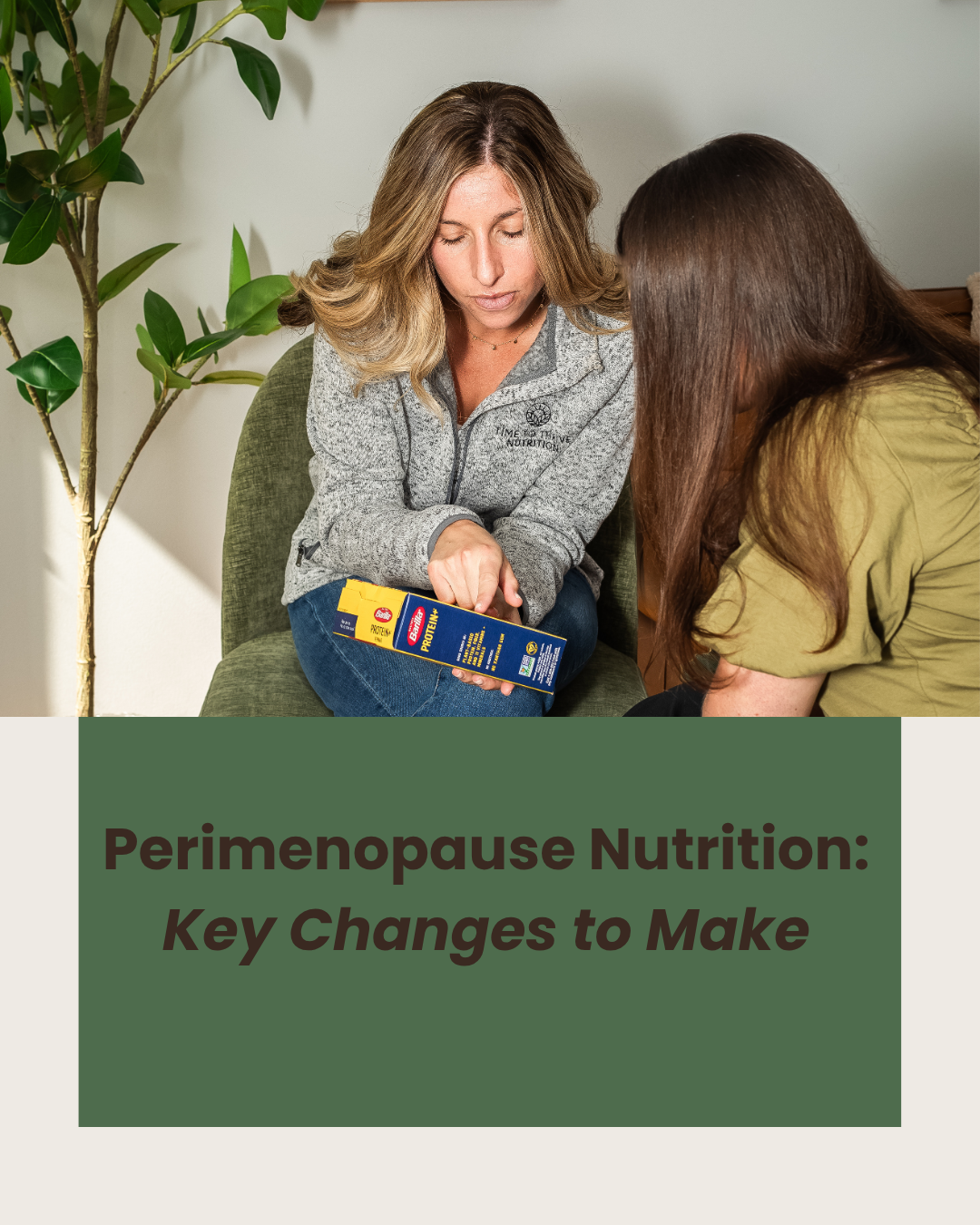
If you’ve started to feel like your body isn’t responding the way it used to, your energy is lower, your weight feels harder to manage, your sleep is off, and your moods feel unpredictable, you’re not imagining it. Perimenopause (the years leading up to menopause) can begin as early as your late 30s or early 40s, and it brings real hormonal shifts that impact everything from metabolism to muscle mass to how your body handles stress. The good news? Nutrition can make a meaningful difference but not in the way diet culture has taught you. Here are five perimenopause nutrition tweaks to make that actually support your body during this phase.
1. Prioritize Protein (More Than You Think You Need)
One of the biggest changes during perimenopause is a gradual loss of muscle mass, which can slow metabolism and impact strength, energy, and body composition.
Protein becomes essential for perimenopause diet and nutrition. Not just for muscle, but for hormone health, blood sugar stability, and satiety.
What this looks like:
- Aim for protein at every meal (not just dinner)
- Think: eggs, Greek yogurt, chicken, fish, tofu, cottage cheese, protein smoothies. Prioritize whole sources of protein, and allow for up to 1 serving of protein powder per day (maximum).
- A general target for many women is 20–30g per meal, depending on needs
Skipping protein early in the day or “saving it for dinner” is one of the most common patterns that can leave you feeling off. Learn more about protein here.
2. Stop Under-Eating (Even If Weight Loss Is the Goal)
It’s tempting to eat less when your body feels like it’s changing but chronic under-eating can actually make symptoms worse.
Undereating can:
- Increase fatigue
- Disrupt hormones further
- Make it harder to build or maintain muscle
- Lead to cravings and overeating later in the day
Your body needs consistent, adequate fuel especially during a time of hormonal transition.
A better approach:
Focus on balanced meals with protein, carbohydrates, and fats instead of cutting calories as low as possible to nail your perimenopause diet and nutrition.
3. Balance Blood Sugar to Stabilize Energy and Mood
Hormonal fluctuations during perimenopause can make you more sensitive to blood sugar swings which can show up as:
- Energy crashes
- Mood changes
- Increased cravings
- Brain fog
The goal for perimenopause nutrition isn’t to eliminate carbs. Rather it is to pair them strategically.
Try this:
- Combine carbs with protein and fat (ex: apple + peanut butter, toast + eggs)
- Avoid going long stretches without eating
- Build meals that actually keep you full for 3–4 hours
Stable blood sugar = more stable energy, mood, and appetite.
4. Don’t Fear Carbohydrates, Use Them Strategically
Low-carb diets are often marketed to midlife women, but they can backfire, especially if you’re active or already feeling depleted.
Carbohydrates support:
- Energy for workouts and daily life
- Thyroid function
- Sleep quality
- Nervous system regulation
Instead of cutting carbs, focus on quality and timing:
- Include whole grains, fruit, beans, and starchy vegetables
- Add carbs around workouts and in the evening to support recovery and sleep
Carbs aren’t the problem but imbalanced meals are. So focus on balanced meals with carbohydrates for your perimenopause nutrition game plan.
5. Support Your Body with Consistency, Not Perfection
During perimenopause, your body becomes less resilient to extremes whether that’s extreme dieting, over-exercising, or all-or-nothing habits.
Specifically what matters most now is consistency.
That means:
- Eating regular meals
- Not skipping breakfast (especially if you feel wired and tired)
- Staying hydrated
- Creating routines that feel sustainable but not restrictive
You don’t need to overhaul everything overnight. Small, consistent shifts add up in a powerful way.
The Bottom Line
Finally, Perimenopause is a transition, not a decline.
If your old strategies aren’t working anymore, it’s not because you’re doing something wrong. It’s because your body needs something different now.
Instead of eating less and pushing harder, this is a time to:
- Fuel your body well
- Build strength
- Support your hormones with intention
Want Support Navigating This?
At Time To Thrive Nutrition, we work with women to create realistic, sustainable nutrition strategies that support hormone health, energy, and strength, without extremes. Perimenopause nutrition does not have to be complicated. If you’re feeling stuck or unsure where to start, you don’t have to figure it out alone. Or if you have questions about your perimenopause diet and nutrition, we are here for you.

- Do I Need a Dietitian for Better Health Choices?
- Fueling Families for a Successful School Year
- Fueling Birth and Beyond: Energy-Dense Meals & Snacks for Labor and Postpartum
- Summer Nutrition Tips from a Registered Dietitian: Eat Well, Feel Great All Season
- Perimenopause Nutrition: Key Changes to Make
