

5 Truths About Nutrition & Hormone Health
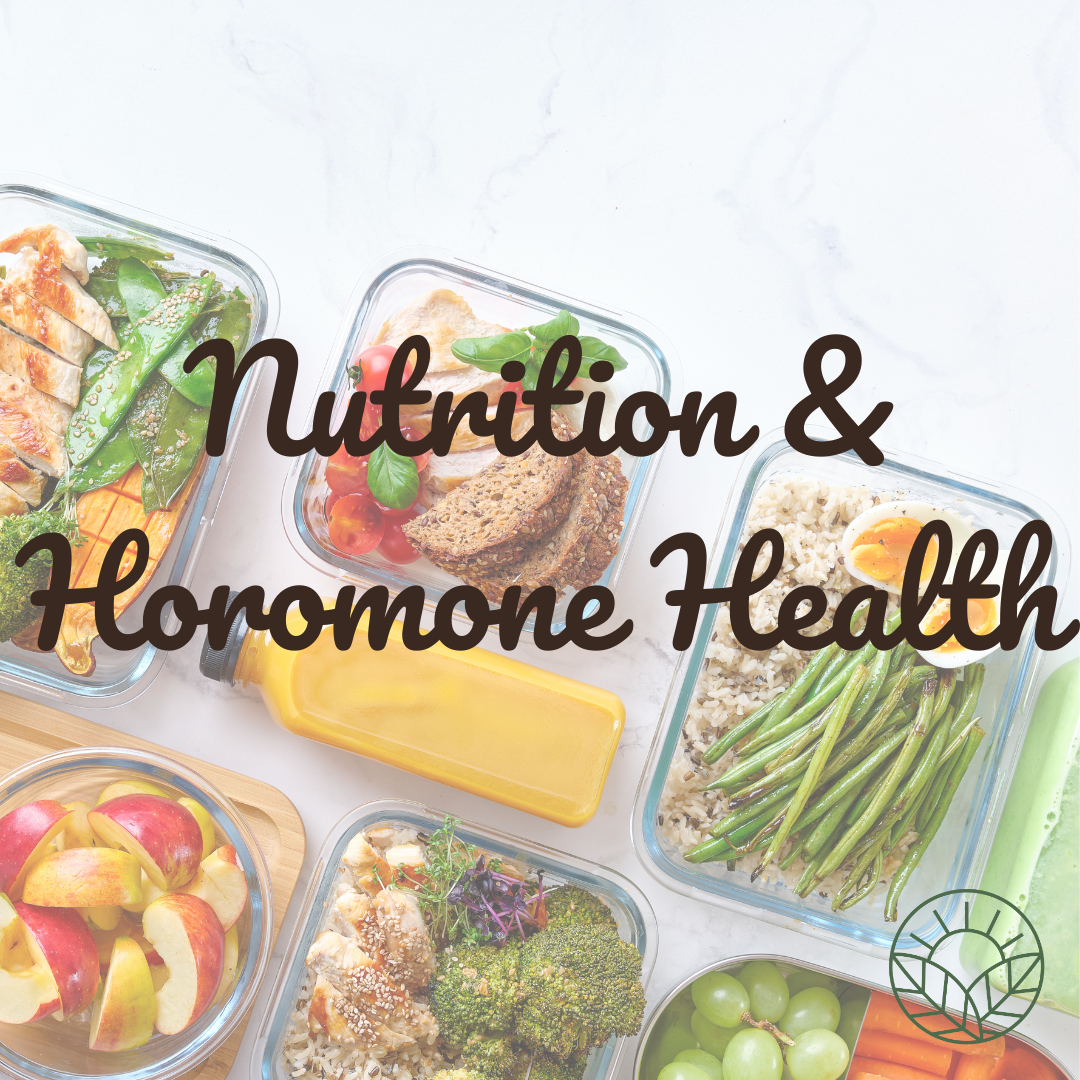
Nutrition plays a critical role in hormone health. As you will learn in this blog, macronutrients like protein, carbs, and fat are important but vitamins and minerals like vitamin D and magnesium play equally significant roles in hormone health! We hope these research-backed truths help to inform your view on food and nutrition and its impact on your hormone health.
Truth #1: Balanced plates lead to balanced hormones
A balanced plate is one that contains 4 components. The first component is a high-quality protein source such as chicken, fish, tofu, or eggs. The second component is a fiber filled carbohydrate source such as beans, brown rice, chickpeas, lentils, or whole wheat pasta. Fruit/vegetables are the third component of a balanced plate. Fruits and vegetables are potent sources of vitamins, minerals, and antioxidants which help to fight inflammation in the body. To learn more about the benefits of antioxidants click here! The fourth component of a balanced plate is healthy fat sources such as olive oil, nuts, or avocado.
We will get into specifically how each of these individual components help with hormone health and balance in the 4 truths below however it is important to note that all these components are important and should not be feared! When combined appropriately balanced plates lead to better digestion, increased intake of key vitamins and minerals, and result in an optimal blood sugar response. All greatly impacting hormone health.
Truth #2: Prioritize Protein
Proteins, which are composed of amino acids, have many important roles in the body. Protein is needed to build and repair muscle, to build a healthy immune system, it is needed for chemical reactions in the body to occur, and most importantly for this blog proteins are needed to form hormones! Click here to read more about the benefits of protein.
Protein plays a key role in hormone health by helping to form hormones. Prioritizing protein at meals also helps slow the rise in blood glucose from a meal which helps with hormone balance. To prioritize protein we recommend our clients have a high quality protein source with all meals and snacks. With meals we recommend the protein source fill up one fourth to one third of the plate. This will help to meet daily protein goals!
High-Quality Protein Sources:
•Chicken
•Turkey
•Eggs
•Tofu
•Beans
•Lentils
•Lean beef
•Greek yogurt
•Milk
Truth #3 Focus on Fiber
High-Fiber Foods:
•Beans
•Blueberries
•Apples
•Pears
•Broccoli
•Brussel sprouts
•Whole wheat breads/pasta
•Quinoa
•Lentils
•Avocados
Fiber is often the forgotten nutrient when it comes to overall health but also hormone health. Fiber is key for the health of your gut and the cells that line your gut. It helps these cells get rid of waste. It also helps your body regulate estrogen levels. Like protein, fiber also helps to promote a more balanced blood sugar response when it is added to meals and snacks. It prolongs the digestion time of food which helps to keep you fuller longer. Fiber also has an impact on heart health by helping to maintain healthy cholesterol levels. Fiber needs vary but in general the recommendations are that women should aim for ~25 grams of fiber per day and men should aim for ~38 grams of fiber per day.
Your body does not digest fiber so when first increasing your fiber intake you may notice a little change in your gut (i.e. increased bloating) this should resolve as your body gets used to the higher fiber intake! We also recommend trying to include a fiber-rich food at each meal and snack, except for a pre workout snack you are having with-in an hour of workout!!
Truth #4 Fat Shouldn’t Be Feared
Many of the clients we see think they need to limit fat or that fat is bad for them. We love to reassure them that including a wide variety of healthy fat sources in your diet is in fact key for hormone health! Fat plays a critical role in both hormone production and hormone signaling. Fats like omega 3 fatty acids also play a major role in decreasing inflammation in the body. Fats, just like protein and fiber, help to promote a balanced blood sugar response when added to meals and snacks.
Reach for foods high in unsaturated fatty acids like oils, nuts, seeds, and avocados when aiming to insure you are getting enough fat in your diet for hormone health! To learn more about the benefits of healthy fat sources in your diet click here!
Truth #5 Micronutrients can have major impacts
Vitamins and minerals, especially vitamin D & Magnesium, are critical for formation and function of hormones and thus hormone health. Vitamin D helps to regulate levels of estrogen and progesterone in the body. Vitamin D also plays a major role in immune health and inflammation in the body.
Magnesium helps to regulate the production of important hormones like estrogen and progesterone. Magnesium may also play a role in stress management, new research is showing, due to its role in production of hormones that help to manage stress.
Vitamin D is not naturally high in a lot of foods, we get a majority of our daily vitamin D from the sun! Some food sources high in vitamin D include salmon, eggs, and fortified dairy. Magnesium can be found in foods like beans, pumpkin seeds, avocado, bananas, almonds, spinach, and even dark chocolate!
We hope this blog helped to give you a solid base for research backed information on how nutrition impacts hormone health!
ASK US A QUESTION
BOOK AN APPOINTMENT WITH A DIETITIAN
[simple-photo-feed view=”3″]
