

Iron and Female Athletes: Key to Performance, Energy, and Health
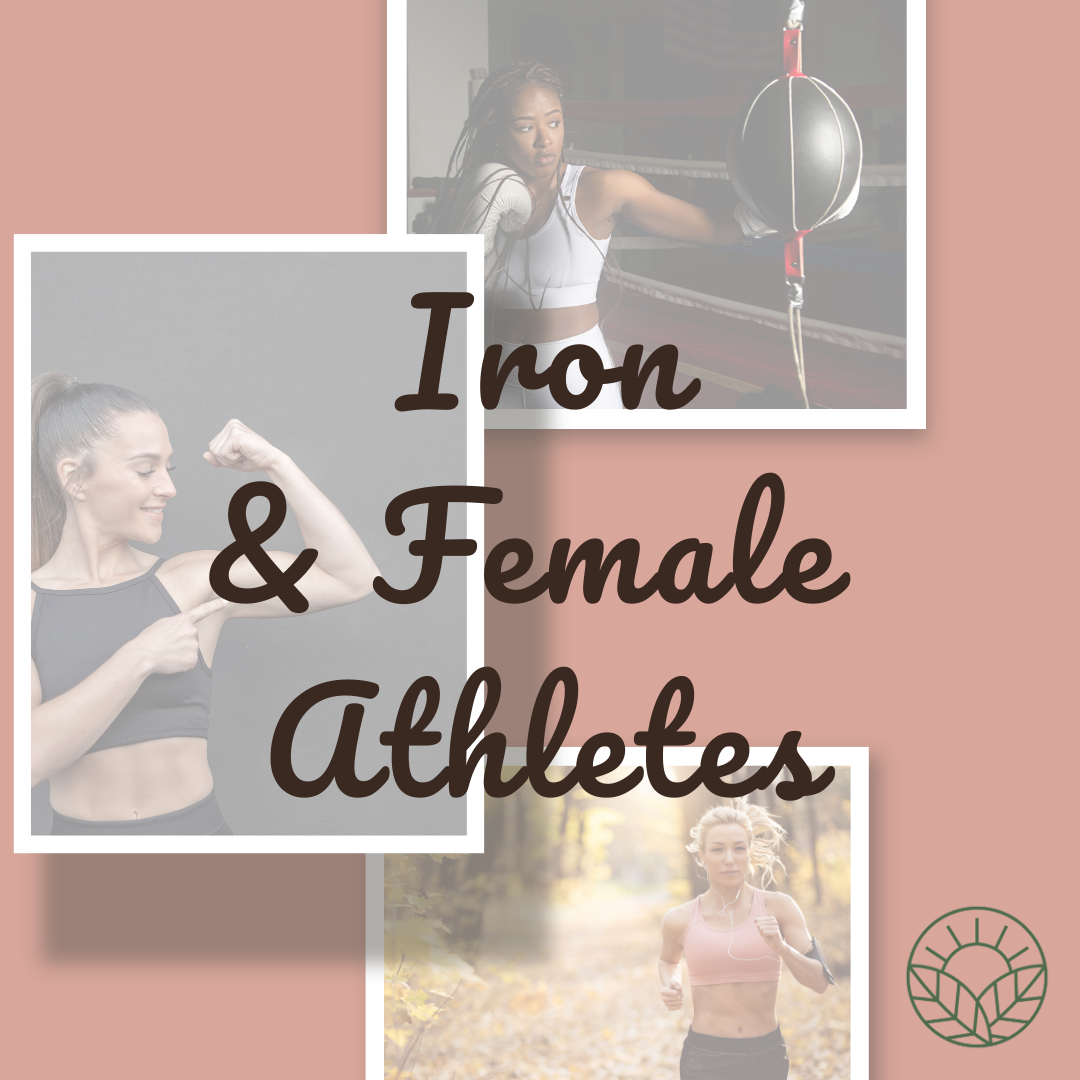
Causes of Iron Deficiencies
About one fourth of the world is affected by Iron-deficiency anemia.1 Iron deficiency affects female athletes at a higher rate than male athletes. Research shows that up to 3-11% of male endurance athletes are iron deficient whereas up to 15-35% of female endurance athletes are iron deficient.2 Iron deficiency in athletes stems from multiple root causes. The most common being the breakdown of red blood cells from a high training load. Iron is stored and transported throughout the body in red blood cells. When red blood cells are damaged or broken due to repeated impact from high training loads, iron is released. Some, but not all of this iron, can be recycled for later use but the remainder can be lost. Iron is also lost during menstruation in female athletes which is thought to be of the reasons they have higher rates of iron deficiency. Another factor that plays a role in iron deficiency in athletes is a hormone called hepcidin which regulates iron in the body. The levels of this hormone increase during exercise which then impairs iron absorption.2 Lastly, energy restriction by athletes can lead to iron deficiency. Click here to read more information about iron deficiency in female athletes from the Cleveland Clinic website.
The 3 Roles of Iron
Iron supports health in many ways including its role in growth and development, oxygen storage, and DNA synthesis. Three of irons most important roles in the body tie directly into sports performance. These three roles are:
1. Oxygen Transport
Iron helps oxygen bind to red blood cells, which are responsible for carrying oxygen to different organs and tissues in the body. Inadequate iron stores hinder oxygen’s ability to bind to red blood cells and thus less is available to be transported throughout the body. This impacts performance as our exercising muscles need oxygen! Less iron available to working muscles results in early fatigue and decreased athletic performance.
2. Energy Production
Iron is vital to produce ATP, which is the energy source for all of our cells. Inadequate iron stores hinder energy production in cells and decreases energy available to our bodies during exercise, leading to early fatigue and decreased athletic performance.
3. Immune System Support
Iron is key to immune system growth, maturation, and overall function. Iron deficiency can negatively impact immune system health and lead to increased incidence of illness. The more time athletes are sick the less training they can participate in.
Signs & Symptoms of Iron Deficiency
As female athletes, it is important to be aware of and monitor for the signs and symptoms of iron deficiency. Some of the most common signs and symptoms are listed below. If you are experiencing any of these symptoms, please seek medical attention.
- Extreme fatigue
- Cold hands and feet
- Fast heartbeat
- Pale skin
- Shortness of breath
- Lightheadedness
Recent research on active females, the menstrual cycle, and iron has shown menstrual cycle phases may play a role in our body’s ability to absorb iron. According to the International Society of Sports Nutrition (ISSN) Position Stand on the Female Athlete, hormone activity during the two main phases of the menstrual cycle can impact how your body absorbs iron.3 According to the ISSN paper, hormone activity during the follicular phase can increase the body’s ability to absorb iron and hormone activity in the luteal phase can limit iron utilization by the body.3 So much interesting research coming out on how the menstrual cycle affects female athletes and we love it!
The recommended daily allowance (RDA) for iron varies based on gender and age with women needing high iron levels at almost every stage of life. Below is the RDA for iron for adult men and women.
Adult men (19-50 years old : 8 mg/d
Adult women (19-50) years 18 mg/d
Iron-Rich Food Options
It may seem daunting for female athletes to meet their iron needs through diet alone, especially if they are vegan or vegetarian as the most highly absorbable form of iron is found mainly in animal-based foods. This does not mean that you can’t meet your iron needs through food as a vegan or vegetarian female athlete! Since most plant bases sources of iron contain the form of iron that is harder for our bodies to absorb we recommend that these athletes consume a food high in vitamin C with their plant based iron food sources. Vitamin C increases iron absorption! It’s a great way to give an absorption boost to plant-based iron sources and meet iron needs as a vegan or vegetarian athlete. Try to incorporate 2-3 iron rich foods per day, especially if you are at risk for iron deficiency! Some foods rich in iron can be found listed below as well as in the article Food Sources of Iron from the Dietary Guidelines for Americans website.
-
Red meat
-
Chicken
-
Shellfish
-
Edamame beans
-
Sesame seeds
-
Spinach
-
Broccoli
-
Dairy
-
Dried apricots
-
Fortified grains and cereals
If you or someone you know wants to work on meeting their iron needs or have iron deficiency and want to work with a registered dietitian we are accepting new patients at Time to Thrive Nutrition. Our two board certified sports dietitians have worked with numerous female athletes to meet their iron needs and boost sports performance!
schedule with a dietitian today
References:
- Karpinski, C., & Rosenbloom C. (2017). Sports nutrition: A handbook for professionals, sixth edition. Chicago: Academy of Nutrition and Dietetics.
- Sims ST, Mackay K, Leabeater A, Clarke A, Schofield K, Driller M. High Prevalence of Iron Deficiency Exhibited in Internationally Competitive, Non-Professional Female Endurance Athletes-A Case Study. Int J Environ Res Public Health. 2022 Dec 10;19(24):16606. doi: 10.3390/ijerph192416606
- Sims, S.T., Kerksick, C.M., Smith-Ryan, A.E., et al. (2023). International society of sports nutrition position stand: nutritional concerns of the female athlete. J Int Soc Sports Nutr, 20(1), 2204066.
[simple-photo-feed view=”3″]
