

Top Nutrition Tips for Managing Endometriosis: A Dietitian’s Guide to Relief
Optimizing Nutrition for Endometriosis Management
Living with endometriosis can be challenging, but harnessing the power of nutrition can offer significant relief and support. From reducing inflammation to balancing hormones, the right nutrition choices can make a substantial difference in managing symptoms and improving overall well-being. Below, we’ll delve into actionable strategies and nutrient-rich foods specifically tailored to support individuals navigating the complexities of endometriosis.
Key Takeaways for Nutrition with Endometriosis:
-
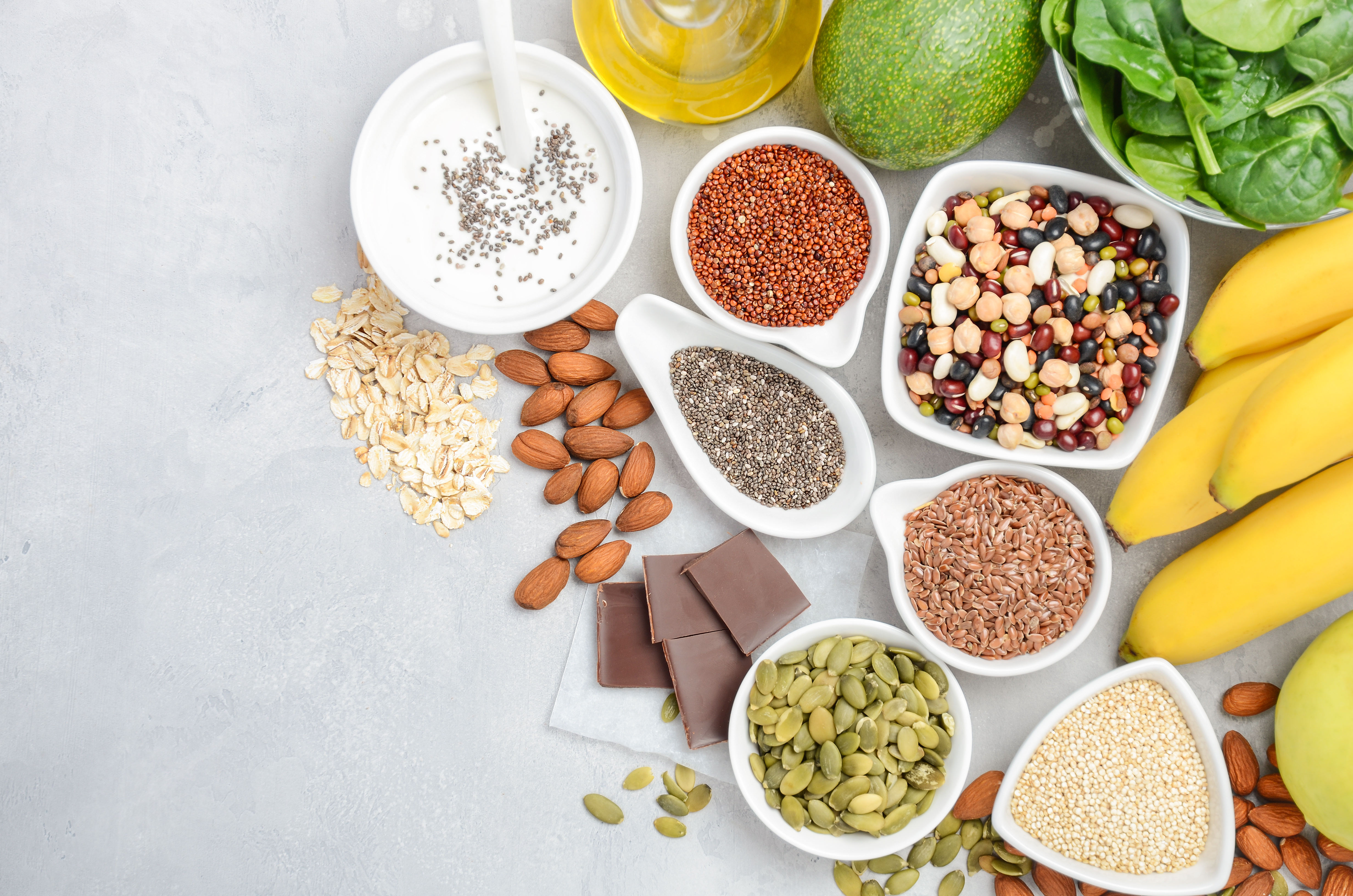
Embrace Anti-Inflammatory Foods: Incorporate a variety of anti-inflammatory foods such as fatty fish, leafy greens, berries, and nuts into your diet. These foods can help reduce inflammation and alleviate pain associated with endometriosis.
-
Prioritize Fiber-Rich Foods: Focus on consuming fiber-rich foods like whole grains, fruits, and vegetables to promote gut health and balance hormone levels. Fiber aids in digestion and may help alleviate gastrointestinal symptoms common in individuals with endometriosis.
-
Avoid Inflammatory Triggers: Limit the intake of inflammatory foods such as processed meats, refined sugars, and trans fats. These foods can exacerbate inflammation and worsen symptoms of endometriosis.
-
Incorporate Omega-3 Fatty Acids: Include sources of omega-3 fatty acids, such as fish oil and flaxseeds, in your diet. Omega-3s have anti-inflammatory properties and may help ease menstrual pain and inflammation associated with endometriosis.
-
Harness the Power of Antioxidants: Consume antioxidant-rich foods like fruits, vegetables, and green tea to combat oxidative stress and support overall health. Antioxidants help protect cells from damage and may reduce inflammation in the body.
-
Support Muscle Relaxation: Ensure adequate intake of calcium and magnesium from dairy products, leafy greens, and nuts. These minerals support muscle relaxation and can help alleviate cramping associated with endometriosis.
-
Avoid Triggering Substances: Steer clear of triggers like caffeine and alcohol, which can worsen symptoms of endometriosis. Opt for herbal teas and non-alcoholic beverages as alternatives.
By incorporating these targeted nutritional strategies into your daily routine, you can take proactive steps toward managing endometriosis and improving your quality of life. Remember to consult with a qualified healthcare professional or registered dietitian for personalized guidance tailored to your individual needs and preferences. With the right approach to nutrition, you can empower yourself to better navigate the challenges of living with endometriosis and thrive.
Click here for more information on nutrition for endometriosis.
Book An Appointment
Request information
Meet Holly
Hi there, my name is Holly Lockhoff and I am the owner of Time To Thrive Nutrition. Over the last decades, I have worked with a wide range of clients, in many settings from the hospital to community wellness to working with sports teams. Through all these experiences, I have developed a passion to help my clients live their best life, through wholesome food and mindful movement. I believe in keeping food simple and nourishing our bodies with whatever feels right to you.

