

What is Whey Protein, and Should You Be Using It?
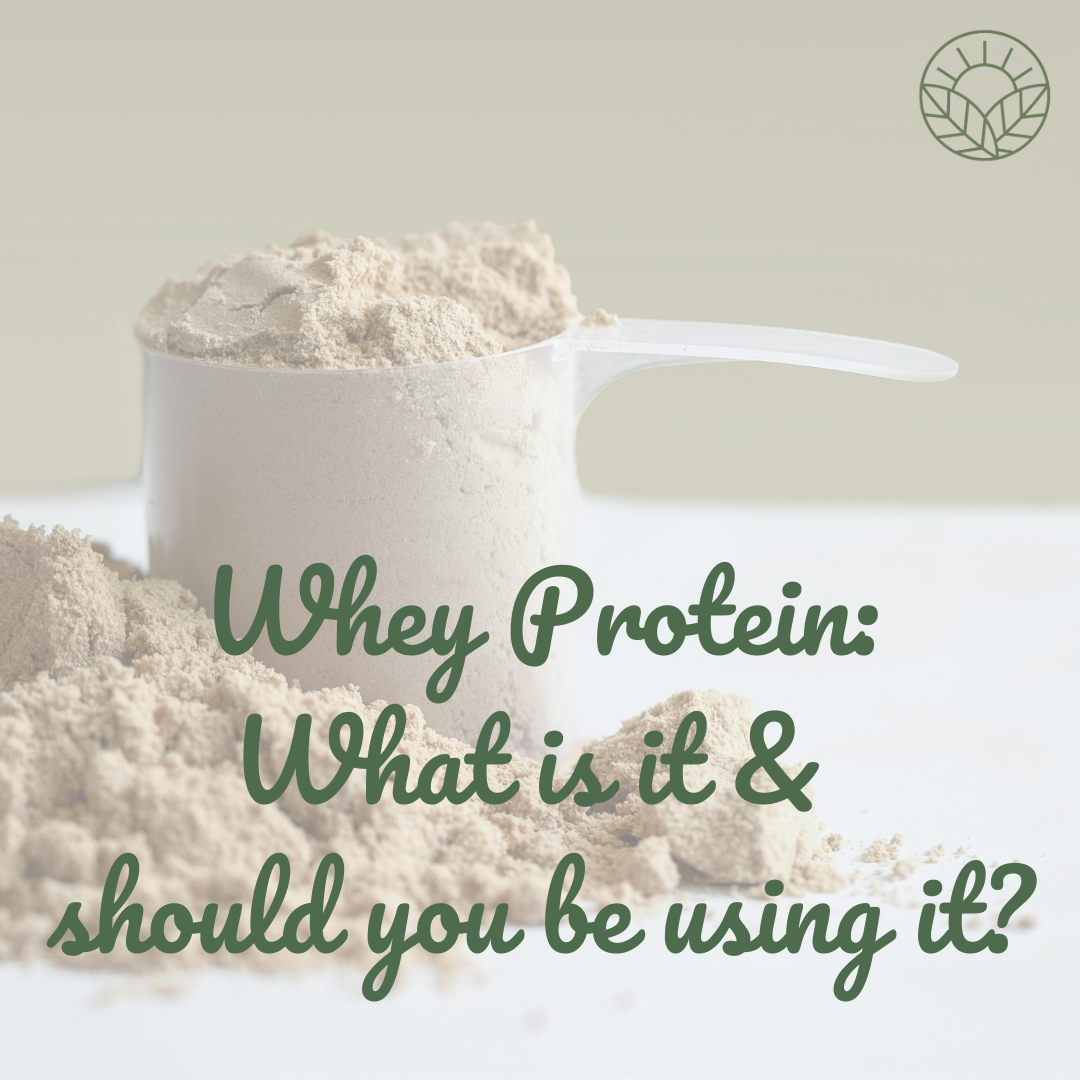
Protein is a popular topic in the media, especially protein supplements! Protein is an essential nutrient for athletes and active individuals. Athletes must build and maintain muscle. Still, it’s also vital for many other day-to-day body functions such as bone structure, skin health, immunity, digestion, and transport of nutrients! There are a few different types of protein supplements, but whey protein is one of the most well-known and influential. Whey protein does not always have to come as a supplement; you can consume it from foods like milk and cheese.
Years of research confirm whey protein to be a highly effective protein source. This is partly due to the high quality of the protein and the fact that it is a complete protein source. Complete protein sources are ideal for athletes and active individuals since they contain all essential amino acids. There are twenty amino acids or protein building blocks, that our body needs to build muscle. Nine of these amino acids are considered essential, meaning we must ingest them to be available for our body to build muscle. The other eleven amino acids are considered non-essential, meaning our body can make them if needed, and we don’t have to ingest them to have them available to build muscle. Whey is a complete protein source, containing all nine essential and eleven non-essential amino acids, making it optimal for building and maintaining muscle! Whey protein is also well known for its quick digestibility, which research has shown may help enhance muscle growth and recovery by delivering protein to your muscles faster. There are two different types of whey protein, which are described below.
Main Types of Whey Protein:
- Whey Protein Concentrate (WPC): Involves less processing and generally contains more fat, carbohydrates, and lactose than whey protein isolate. The protein concentration of whey protein concentrate products is mostly around 80%. Lastly, whey protein concentrate is less expensive than whey protein isolate.
- Whey Protein Isolate (WPI): This type of protein isolate involves more processing, which helps to increase its protein content. The fat, carbohydrates, and lactose content of whey protein isolate products are very low. The protein concentration of whey protein isolate is about 90%. Lastly, whey protein isolate is more expensive than whey protein concentrate.
Reasons to Take a Whey Protein Supplement:
- Muscle Growth: Whey protein is great at stimulating muscle protein synthesis, which is the body’s muscle-building process! This is very helpful for athletes or active individuals looking to build or maintain muscle.
- Injury Recovery: When an athlete or active individual is injured, their protein needs to increase to help heal, repair, and rebuild strength in the injured bone or tissue. It can be difficult to meet these protein needs through food alone. In situations like this, whey protein supplements can be very helpful!
- Meeting Weight Goals: Protein helps build lean muscle and promote satiety, which are two very important components of weight loss.
- Convenience: Whey protein supplements offer a convenient option for increasing protein intake. Mix a scoop of whey protein powder with milk or water in a blender bottle, shake it up, and have it on the go!
- Dietary Restrictions: Athletes and active individuals who follow a vegan, vegetarian, plant-based, or other special dietary pattern may benefit from using whey protein to meet daily protein needs. Protein sources in these dietary patterns can be lower in protein than meat-based sources, or they only sometimes contain all nine essential amino acids, making them incomplete protein sources. A whey protein supplement can help these active individuals meet their protein needs and provide a high-quality source of complete protein!
- Leucine Levels: Leucine is one of the nine essential amino acids and one of the three branch-chain amino acids (BCAAs). In the sports nutrition community, leucine is often called an “anabolic trigger.” This means that it’s highly effective at promoting muscle building, especially if consumed after exercise. Per serving, most whey protein supplements will provide between 2 and 2.5 grams of leucine, which can help contribute to the amount of leucine needed to promote muscle protein synthesis (muscle growth)!
Whey Protein Supplements We Recommend and Why:
- Thorne Whey Protein Isolate: This product tastes great and has been third-party tested for quality and purity.
- Klean Athlete Whey Protein Isolate: This product tastes great and has been third-party tested for quality and purity.
- Orgain Grass-Fed Whey Protein Powder: this product tastes great and is moderately priced!
- Ascent 100% Whey Protein Blend: this product tastes great and mixes well with smoothies and shakes.
If you have supplement questions or want to work with a sports dietitian to meet your protein needs, work with one of our two board-certified sports dietitians at Time To Thrive Nutrition!
schedule with a dietitian today
[simple-photo-feed view=”3″]
