

Celebrating Earth Day with Sustainable Eating
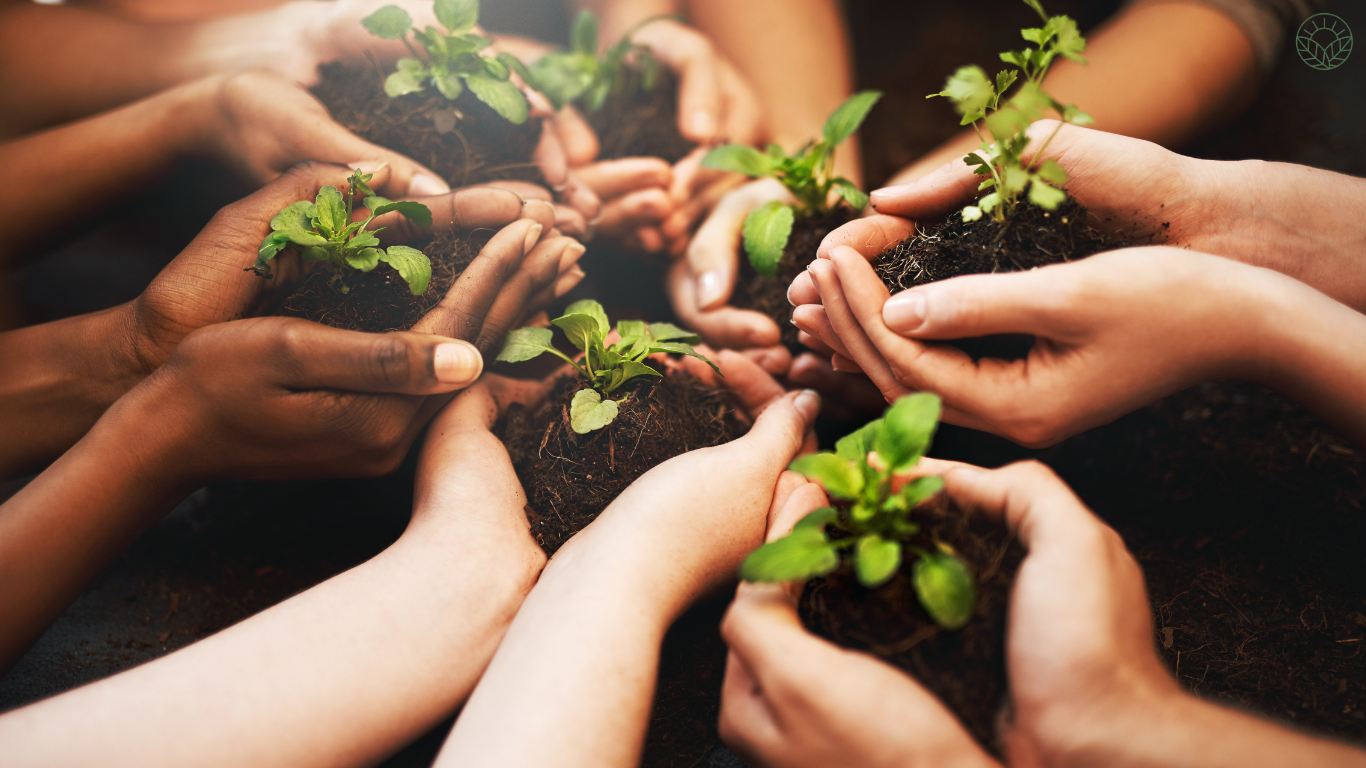
Earth Day has been around 50+ years – and for good reason! April 22nd marks the anniversary of the modern environmental movement – a united call to protect our planet and fight for a better future.
Earth Day encompasses many initiatives, focusing on everything from plastic pollution to conservation and biodiversity to fast fashion. While these topics are all hugely impactful and related, Earth Day is also about actively making decisions in our daily lives. How can we make an impact from home? We can start in the kitchen! Introducing sustainable eating.
According to the Academy of Nutrition and Dietetics, in agriculture, the concept of sustainability is applied to producing plant and animal products using farming techniques and practices that help conserve natural resources with minimal environmental impact.
What does that mean for me as a consumer?
The food choices we make every day have a direct impact on the environment. We can make decisions at the grocery store and in our homes to eat foods that help our environment thrive while also helping our bodies and minds thrive too. The great news is that while sustainable eating helps the Earth, it also enriches our diets and puts money back into our wallets.
At a high level, sustainable eating embodies the principles of consuming whole foods from the Earth, choosing foods that are not resource-intensive, and limiting the intake of processed foods. The goal is to minimize our carbon footprint, eat ethically, and minimize food waste.
Ways you can implement sustainable eating practices into your life:
- Explore plant-based foods: Consuming more plant-based foods, like legumes (beans, lentils, chickpeas), fruits, vegetables, nuts, and whole grains, is an impactful way to make your diet more sustainable. Compared to meat-based diets, plant-based diets are more sustainable because they use substantially less natural resources and are less taxing on the environment.
- Eat seasonally: In-season foods check all the boxes. They are more nutrient-dense, more affordable, and more delicious compared to food that is not grown locally. Imagine biting into a juicy peach in the middle of August—you can’t beat it! The exotic and out-of-season produce you can find at the grocery store comes at a cost to the planet. It travels long distances, requiring appropriate storage facilities and packaging to ensure freshness. Time To Thrive Nutrition shares monthly posts about which foods are in season.
- Start a garden: Even if it’s just an herb garden in a planter box, that’s a great place to start. You can experience the riches of gardening by using fresh herbs in your foods and beverages. The bonus is skipping the trip to the store to buy a tiny bunch of herbs found in a plastic container. A win for you and a win for Earth!
- Freeze your food: When in doubt, freeze it! If your produce is going bad quickly, throw it into the freezer. Some things (bananas, berries, carrots) freeze better than others, but better to try to reduce your food waste and make your food last longer than to let food rot away in your vegetable drawer.
- Opt for meatless Mondays: Meat contributes greatly to greenhouse gas emissions, ultimately leading to global warming. According to the EPA, a single cow produces 154 to 264 pounds of methane gas per year. Even going meatless once a week could have a huge impact on your body and the Earth. Minimalist Baker has a plethora of delicious vegetarian recipes.
- Choose locally sourced, organic options: Evaluate your shopping list. If you do enjoy consuming meat, be sure to check the label to see where it is coming from. Look for meat that is locally sourced, organic, and grass-fed. Processed meat, in particular, is something to moderate.
- Visit your local farmers market: Seek out farmers markets in your area to find local produce options. Getting your food straight from the source reduces the time from farm to sale, resulting in fresher food. Plus, you get to learn where your food comes from and the people in your community.
- Stock up on reusable bags: Converting to reusable bags or even just adding them to your rotation of food containers is a great way to reduce waste. Our favorite option is Stasher bags—they’re microwave, dishwasher, and freezer safe.
Making healthy, eco-friendly choices is good for you and for the planet. Together we can work towards a future in a prosperous and nutritious world. Happy Earth Day!
Do you want to learn more about how you nourish your body sustainably? Book an appointment today.

Follow along @timetothrivenutrition
[simple-photo-feed view=”3″]
